 (
(
There’s No Place Like Home
Address
Tickets
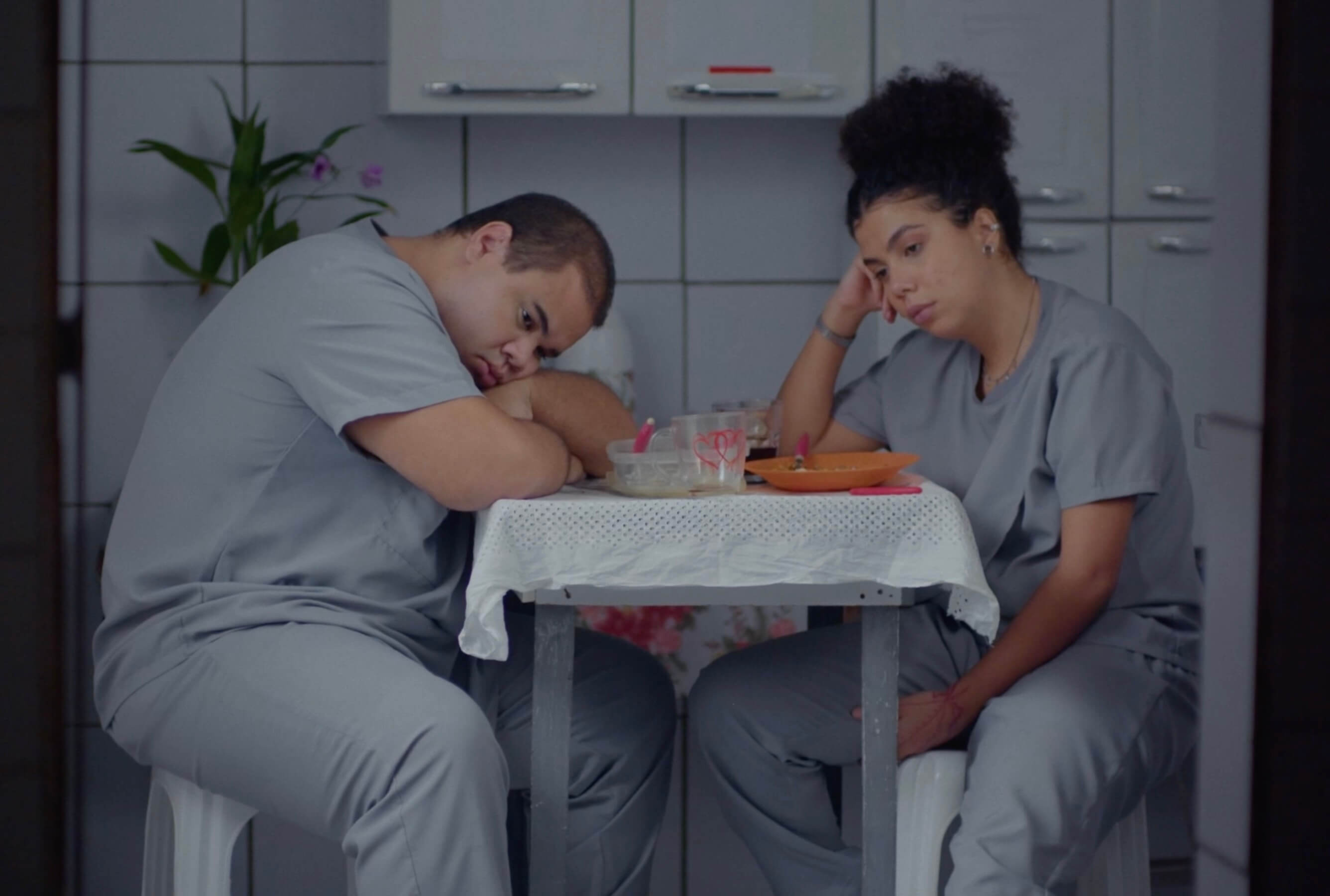
The home looms large in queer culture. There are the family homes we loathe to return to, the marginalized communities we struggle to keep together, and the national and colonial entities that use notions of belonging and citizenship as cudgels. The films in this program challenge monolithic conceptions of home, whether they be familial, found, or national, and instead champion the right to challenge the people, thinking, and systems that keep us down. From a Palestinian refugee camp in Lebanon to the shores of Lake Winnipeg, the subjects of these films attempt to renegotiate and rediscover the communities and places they call home in the face of socio-economic precarity and genocide.
Content Warning: Don’t Take My Joy Away features the dramatization of a bombing and moments of people being nonfatally trampled in the aftermath.
Films
Giu is not sure what he has with Danilo, but he decides to tell his version of the story.
Maya, a 40-year-old trans woman, returns to her hometown to visit her mother suffering from Alzheimer’s. As locals seeks a lost Virgin, a walk between them opens a space for mutual recognition.
In the Shatila Palestinian camp in Lebanon, two friends, Omar and Omar, find moments of joy amid hardship until sudden violence forces them to confront loss and survival.
A dialogue and poetic home video about belonging, from young people living in modern capitalist colonial society.
Biographies
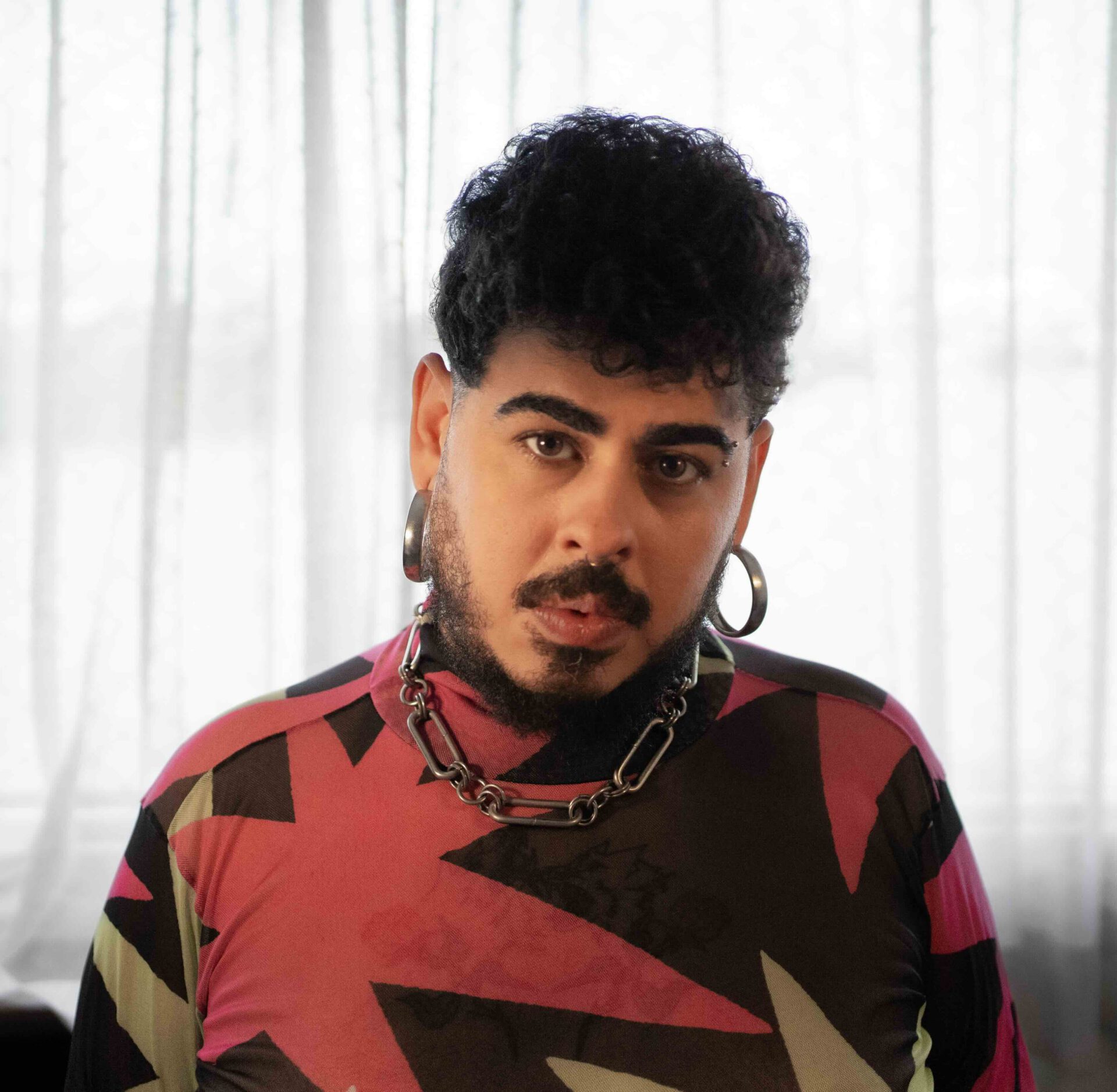
Pethrus Tibúrcio is a non-binary filmmaker based in Recife, Northeastern Brazil. They directed the short film Tell Her What Happened to Me (2025), which premiered at the International Film Festival Rotterdam and has screened at festivals including Havana, Madrid, Berlin, Rio de Janeiro, and São Paulo. They are currently in post-production on their debut feature, Marina, while preparing their second short film, What’s Mine Is Mine, and developing their next feature, Water Tank.

Omar Gabriel is a Lebanese filmmaker, photographer, and visual artist whose intimate storytelling reflects larger political realities, portraying marginalized voices with tenderness and authenticity across Arab societies. Blending poetic imagery with raw emotion, his work reveals the beauty in vulnerability and explores themes of resistance, defiance, and freedom. His films and photographs have been showcased internationally in Berlin, Paris, Madrid, Lisbon, Beirut, and Geneva, with exhibitions at Bienal Fotografia do Porto and Casa Árabe, and screenings at the Institut du Monde Arabe, Rhode Island International Film Festival, and Xposed Queer Film Festival
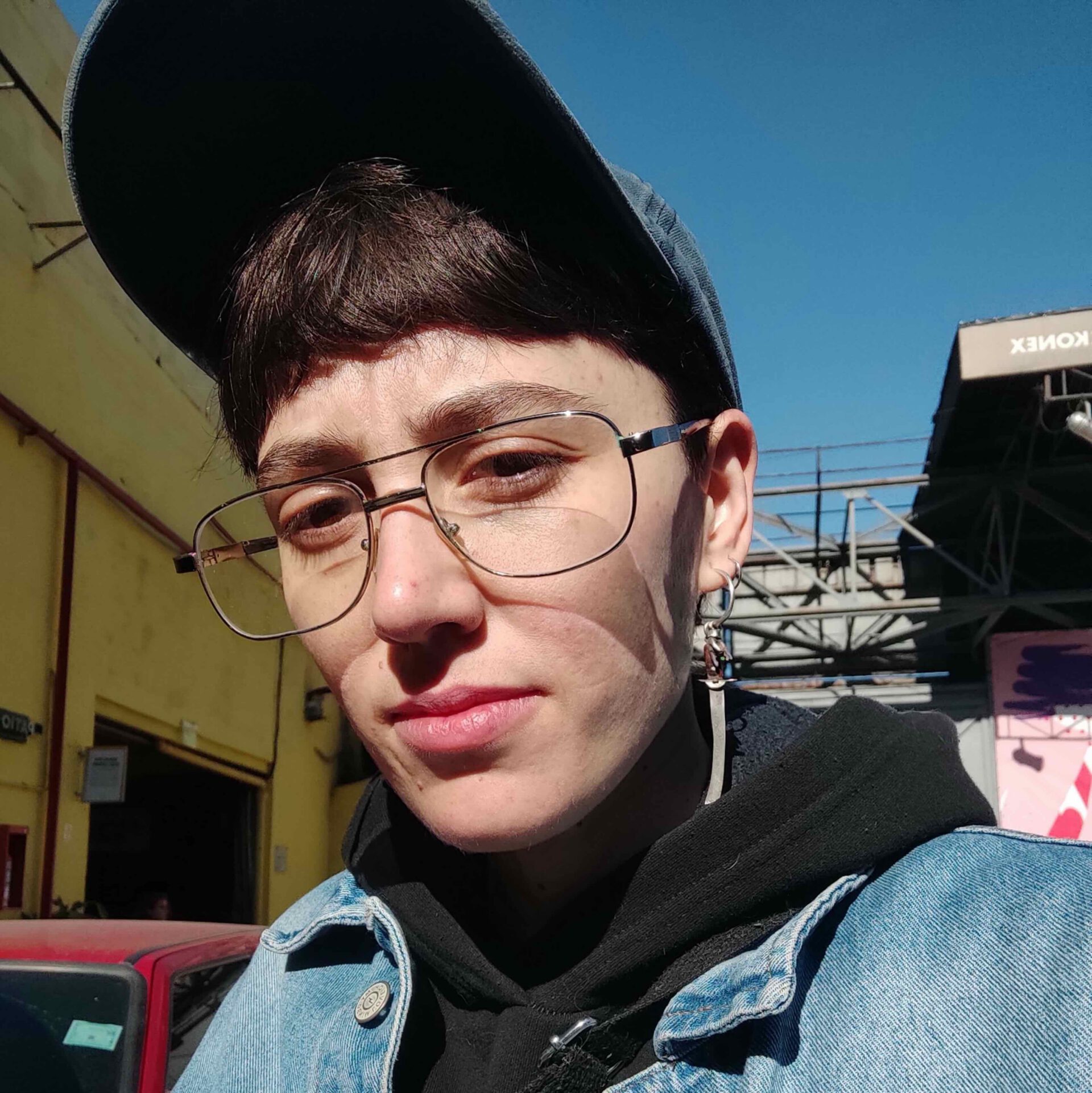
Graduating from EPCTV Rosario in 2012, Carla Scolari trained in screenwriting and photojournalism before turning to filmmaking. She worked as an assistant director on local productions and the LGBTIQ+ series Quién pudiera. She co-directed the short films Delinquido and the multi-award-winning La Mutuante, and co-founded the production company BANDIDA. Identifying as a lesbian filmmaker focused on gender perspectives and human rights, she is currently developing her feature debut, Cómo Se Nombra Una Tormenta, which received an award at the +MALA audiovisual market in Uruguay.
Mystery Byrd is a fifth and second generation European-Canadian queer artist and film worker based on Treaty 1 territory with a lifelong background in DIY cinema and over 17 years of industry experience. Mystery loves family, philosophy, creation, people and criticism. They enjoy struggle and look forward to the realization of new societies.